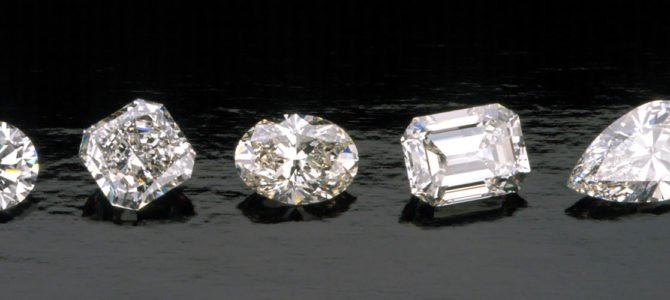
When you imagine a diamond, you likely picture dazzling light, a symbol of enduring love, or perhaps a milestone celebration. But beneath that captivating sparkle lies a complex journey, one that increasingly asks us to look beyond brilliance and consider its origin. Understanding Diamond Sourcing & Ethics isn't just for industry insiders; it’s about making informed choices that reflect your values, ensuring your symbol of love doesn't carry a hidden cost.
The world of diamond sourcing has transformed dramatically, evolving from a focus solely on preventing conflict diamonds to a much broader commitment to human rights, fair labor, environmental stewardship, and community well-being. By 2025, ethical sourcing isn't just a buzzword; it's a foundational expectation, driven by consumer demand for transparency and responsibility.
At a Glance: Key Takeaways for Ethical Diamond Buying
- Beyond "Conflict-Free": Ethical sourcing now encompasses fair labor, human rights, and environmental protection, not just preventing war financing.
- The Kimberley Process (KP): A vital step in curbing "blood diamonds," but it doesn't cover all ethical concerns like labor or environmental impact.
- Core Ethical Pillars: Look for companies committed to safe labor, fair wages, community investment, environmental restoration, and supply chain transparency.
- Traceability is Key: Advanced technologies like blockchain are making it possible to track a diamond's journey from mine to market.
- Large Miners Lead: Companies accounting for 85% of global supply often have robust ethical and sustainability programs.
- Lab-Grown Diamonds: Offer an ethically sound alternative, identical in composition but with a significantly lower environmental footprint and no human rights risks.
- Your Role: Research retailers, demand origin information, seek certifications (like Responsible Jewellery Council), and consider all your options.
Beyond the Sparkle: Why Ethics Matter More Than Ever
For centuries, diamonds have been synonymous with luxury, rarity, and lasting value. Yet, for too long, the story of their origin was often opaque, sometimes linked to devastating human and environmental costs. The term "blood diamond" – stones mined in war zones to finance armed conflicts – seared the issue of unethical sourcing into public consciousness, prompting a global outcry and a push for change.
Today, while the specter of "blood diamonds" has largely diminished thanks to concerted international efforts, the definition of "ethical" has expanded. It’s no longer enough to simply avoid conflict zones. Modern ethical sourcing asks us to consider the entire ecosystem of the diamond's journey: Were workers paid fairly and treated with respect? Was the local environment protected and restored? Did mining benefit, rather than harm, surrounding communities? These questions are driving a powerful movement toward greater accountability, ensuring that the beauty of a diamond isn't overshadowed by its impact.
The Shadow of "Blood Diamonds" and the Rise of the Kimberley Process
Before the turn of the millennium, "blood diamonds" were a stark reality, fueling civil wars and egregious human rights abuses, particularly in parts of Africa. These illicit diamonds were traded to finance armed groups, perpetuating cycles of violence and destabilization. The global outrage spurred governments, industry, and civil society to act.
In 2003, the Kimberley Process Certification Scheme (KPCS) was established. This international certification system aims to prevent the flow of conflict diamonds by requiring participating countries to certify that rough diamond shipments are conflict-free. Each shipment is sealed in a tamper-resistant container and accompanied by a KP certificate guaranteeing its non-conflict origin. The KPCS has been instrumental in drastically reducing the trade in conflict diamonds, estimated to represent less than 0.2% of the global supply today, a significant drop from upwards of 15% in the 1990s.
However, the KPCS, while groundbreaking, has its limitations. Its narrow definition of "conflict diamonds" primarily focuses on stones funding rebel movements against legitimate governments. It doesn't explicitly address other critical ethical concerns, such as:
- Worker Exploitation: Poor labor practices, unsafe conditions, or child labor in non-conflict zones.
- Human Rights Violations: Issues like forced relocation or abuse of local populations by private security.
- Environmental Degradation: The ecological impact of mining operations, regardless of conflict status.
- Fair Wages and Community Benefits: Ensuring that local communities truly benefit from diamond resources.
These gaps have led to calls for broader industry standards that go beyond the KP's mandate, pushing the conversation toward a more holistic view of ethical sourcing.
What Does Truly "Ethical" Diamond Sourcing Entail?
True ethical diamond sourcing is a multifaceted commitment that touches every stage of a diamond's life, from the earth it's unearthed from to the hand it graces. It requires a dedication to environmental sustainability, human rights, and social equity, demanding more than just compliance with minimum standards.
Protecting People: Labor Rights & Community Empowerment
At the heart of ethical sourcing are the people involved in mining, cutting, and polishing diamonds. This means ensuring their dignity, safety, and well-being.
- Safe Working Conditions: Miners often work in challenging environments. Ethical operations prioritize stringent safety protocols, modern equipment, and comprehensive training to minimize risks. This includes proper ventilation, structural integrity in underground mines, and personal protective equipment.
- Fair Wages and Benefits: Workers should receive wages that meet or exceed local living standards, along with access to benefits such as healthcare, retirement plans, and paid leave. This combats exploitative practices and allows individuals and families to thrive.
- No Child Labor, No Forced Labor: This is non-negotiable. Ethical mines rigorously audit their operations and supply chains to ensure no child labor or forced labor is used at any stage.
- Community Investment: Responsible mining operations recognize their significant footprint and actively invest in the welfare of surrounding communities. This often translates to:
- Education: Funding schools, providing scholarships, and supporting vocational training.
- Healthcare: Building clinics, providing medical supplies, and facilitating health awareness programs.
- Infrastructure: Developing roads, clean water systems, and reliable energy sources.
- Economic Diversification: Supporting local businesses and creating alternative livelihoods to reduce dependence on mining.
By investing in these areas, diamond mining can become a catalyst for socio-economic stability and growth, lifting communities out of poverty and fostering sustainable development.
Protecting Our Planet: Environmental Stewardship
Diamond mining, like any extractive industry, carries an environmental footprint. Ethical operations are committed to minimizing this impact and, where possible, leaving the environment better than they found it.
- Land Rehabilitation: A core principle is the restoration of mining sites. This involves backfilling excavated areas, re-profiling the landscape to its natural contours, and replanting native vegetation to restore ecosystems and biodiversity.
- Water Management: Mining uses significant amounts of water. Responsible mines implement closed-loop water systems to recycle and reuse water, minimize consumption, and prevent contamination of local water sources. They also monitor water quality rigorously.
- Waste Management: Proper disposal and management of mine waste (tailings) are crucial to prevent soil and water pollution. Innovative techniques are being developed to extract value from waste or neutralize its environmental impact.
- Biodiversity Conservation: Protecting local flora and fauna is paramount. This can involve setting aside conservation areas, studying local wildlife, and implementing measures to protect endangered species.
- Energy Efficiency & Renewable Energy: Efforts to reduce carbon emissions include optimizing energy consumption, upgrading to more efficient equipment, and exploring renewable energy sources like solar or wind power for mining operations.
These practices demonstrate a commitment to sustainability that extends far beyond regulatory requirements, embracing a long-term vision for environmental health.
Unlocking Trust: Transparency & Traceability
In a complex global supply chain, knowing a diamond's exact origin and journey has historically been challenging. However, advancements in technology are now making unprecedented transparency possible.
- Chain of Custody: Ethical suppliers maintain meticulous records of a diamond's journey from the mine, through cutting and polishing facilities, to the retailer. This "chain of custody" ensures accountability at every step.
- Advanced Tracking Technologies: Technologies like blockchain are revolutionizing traceability. A blockchain ledger creates an immutable, secure, and transparent record for each individual diamond. Every time the diamond changes hands or undergoes a transformation (e.g., from rough to polished), this event is recorded on the blockchain, creating a verifiable digital fingerprint. This means consumers can potentially access a diamond's entire history, verifying its origin and ethical provenance with confidence. Explore the adamas adamas hub to understand how digital traceability is shaping the future of precious goods.
- Independent Audits: Reputable companies regularly submit to independent third-party audits to verify their adherence to ethical and environmental standards. These audits add another layer of credibility and accountability.
This push for transparency isn't just about avoiding bad actors; it's about celebrating good practices and building consumer trust in an industry that has sometimes struggled with its reputation.
The Unsung Majority: Large-Scale Miners' Role
When discussions about ethical diamonds arise, images of small, artisanal mines often dominate, sometimes unfairly. However, it's crucial to acknowledge that large-scale mining corporations produce approximately 85% of the global natural diamond supply by volume. These companies, often publicly traded, operate under immense scrutiny and have the resources to implement stringent ethical standards.
Many of these major players:
- Adhere to robust governance frameworks: They often operate under strict national and international regulations.
- Publish sustainability reports: Detailing their environmental impact, social investments, and governance practices, offering transparency to stakeholders.
- Invest heavily in local communities: As outlined earlier, their scale allows for significant contributions to infrastructure, education, and healthcare.
- Implement advanced environmental practices: With larger budgets, they can invest in cutting-edge rehabilitation and mitigation programs.
These companies are often at the forefront of driving positive change within the industry, setting benchmarks for responsible practices that smaller operations may aspire to.
The Brilliant Alternative: Lab-Grown Diamonds
For consumers prioritizing ethical and environmental considerations, lab-grown diamonds offer a compelling and increasingly popular alternative.
- Identical Properties: Lab-grown diamonds are real diamonds, possessing the identical physical, chemical, and optical properties of mined diamonds. They are not simulants (like cubic zirconia) but rather diamonds grown in a controlled laboratory environment that replicates the conditions under which natural diamonds form deep within the Earth.
- Lower Environmental Impact: The environmental footprint of lab-grown diamonds is significantly smaller. They eliminate the need for large-scale earth displacement and generally consume fewer resources compared to mining. While they require energy to produce, many producers are shifting towards renewable energy sources.
- No Risk of Conflict or Human Rights Violations: By definition, lab-grown diamonds originate in a lab, entirely bypassing any association with conflict financing, unfair labor practices, or environmental damage associated with traditional mining.
- Traceability by Design: The origin of a lab-grown diamond is inherently known and documented, offering complete transparency from its inception.
- Price Point: Generally, lab-grown diamonds are more affordable than their mined counterparts of similar size and quality, offering greater value for money without ethical compromise.
Choosing a lab-grown diamond is a straightforward way to guarantee a diamond's ethical provenance and minimal environmental impact, providing peace of mind to the responsible consumer.
Your Power as a Consumer: A Guide to Responsible Diamond Buying
As a consumer, you hold significant power. Every purchase you make is a vote for the kind of world you want to see. When it comes to diamonds, informed choices can drive the industry towards even greater ethical responsibility.
Ask the Right Questions
Don't be shy. A reputable jeweler will welcome your questions and provide clear, verifiable answers.
- "What is the origin of this diamond?" They should be able to tell you the country or even the specific mine, if available.
- "What are your company's ethical sourcing policies?" Look for concrete commitments to fair labor, environmental protection, and community engagement, not just vague statements.
- "How do you ensure traceability in your supply chain?" Ask about their documentation processes or if they use advanced tracking technologies.
- "Is this diamond certified conflict-free by the Kimberley Process?" This is a baseline, but remember, it's just one piece of the ethical puzzle.
Look for Meaningful Certifications
Beyond the Kimberley Process, several independent organizations exist to audit and certify ethical practices within the jewelry industry.
- Responsible Jewellery Council (RJC): This is a globally recognized standard. RJC certification indicates that a jeweler, mine, or manufacturer adheres to rigorous ethical, social, and environmental standards, including human rights, labor rights, environmental performance, mining practices, product disclosure, and more. When you see an RJC certification, it signifies a comprehensive commitment to responsible business practices across the entire jewelry supply chain.
- Other Certifications: While less common for individual diamonds, look for certifications related to specific environmental or labor practices, depending on the retailer.
Consider All Your Options: Mined vs. Lab-Grown
Both mined and lab-grown diamonds can be ethical choices, depending on your priorities.
- For Mined Diamonds: Prioritize retailers who can provide transparent origin information, demonstrate robust ethical sourcing policies, and ideally, offer diamonds from specific mines known for their high standards. Look for RJC certification.
- For Lab-Grown Diamonds: These offer a guaranteed ethical origin and minimal environmental impact. Research the lab-grown producer to understand their energy sources (e.g., renewable energy) if environmental impact is a top concern.
There's no single "best" choice, but rather the choice that aligns most closely with your personal values.
Support the Trailblazers
Choose companies that actively promote supply chain transparency, engage in social responsibility initiatives, and openly share their efforts. Many brands are going above and beyond minimum requirements, investing in innovative technologies for traceability, developing extensive community programs, and championing environmental restoration. By supporting these companies, you reinforce the demand for ethical practices and encourage others in the industry to follow suit.
Common Myths & Misconceptions About Diamond Sourcing
Navigating the world of ethical diamonds can be confusing, with many myths swirling around. Let's clear up a few:
Myth 1: All natural diamonds are "blood diamonds."
Fact: Thanks to the Kimberley Process and significant industry efforts, over 99.8% of natural diamonds are certified conflict-free. While the KP has limitations, it has largely succeeded in stopping the trade of stones financing armed conflict. The challenge now is to expand the definition of "ethical."
Myth 2: Lab-grown diamonds aren't "real" diamonds.
Fact: This is false. Lab-grown diamonds are optically, chemically, and physically identical to mined diamonds. They are composed of pure carbon in a cubic crystal structure, just like natural diamonds. The only difference is their origin. They are not simulants like cubic zirconia or moissanite.
Myth 3: Ethical sourcing is only about Africa.
Fact: While Africa has been central to the "blood diamond" narrative, ethical sourcing concerns apply to all diamond-producing regions globally, including Canada, Russia, Australia, and parts of South America. Labor rights, environmental impact, and community engagement are universal considerations.
Myth 4: Small-scale artisanal mining is always unethical.
Fact: Not necessarily. While artisanal mining can pose challenges regarding safety, labor conditions, and environmental impact due to lack of regulation and resources, there are growing initiatives to formalize, regulate, and support responsible artisanal and small-scale mining (ASM). These efforts aim to empower local communities and improve working conditions.
Myth 5: Ethical diamonds are prohibitively expensive.
Fact: While some ethically sourced natural diamonds might come with a premium due to robust sustainability practices, many retailers are committed to competitive pricing. Lab-grown diamonds, a highly ethical option, are often more affordable than their mined counterparts, making ethical choices accessible to a wider range of budgets.
The Future of Sparkle: A Commitment to Continuous Improvement
The journey toward fully ethical diamond sourcing is ongoing. It's a dynamic landscape where technology, consumer demand, and industry commitment continually push the boundaries of what's possible. From the widespread adoption of blockchain for unparalleled traceability to the increasing innovation in sustainable mining practices and the growing popularity of lab-grown diamonds, the industry is responding to the call for greater responsibility.
Ultimately, your choice in a diamond isn't just about selecting a beautiful gem; it's about investing in a story you can feel proud of. By educating yourself, asking critical questions, and supporting brands committed to making a positive impact, you become an active participant in shaping a more responsible and transparent future for the world of diamonds. Your symbol of commitment can truly reflect a commitment to a better world.