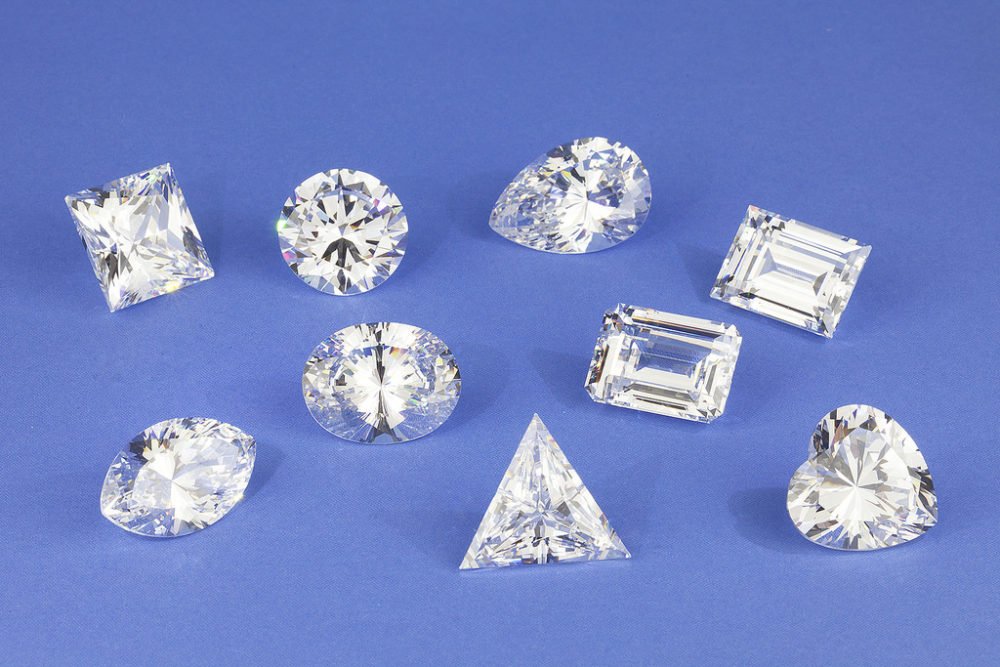
The true magic of a diamond isn't just in its sparkle; it's in how that sparkle takes form. From the moment rough diamond is unearthed, its journey to becoming a dazzling jewel is guided by meticulous decisions, none more impactful than its Diamond Cuts & Shapes. These two critical factors don't just dictate how a diamond looks on your hand; they profoundly influence its brilliance, its perceived size, its durability, and, yes, its price.
Choosing a diamond shape is a deeply personal decision, one that balances aesthetics, budget, and practical considerations. It’s about finding the perfect silhouette that speaks to your style and tells your unique story. But how do you navigate the glittering array of options?
At a Glance: Your Quick Guide to Diamond Shapes
- Shape vs. Cut: A diamond's shape is its geometric outline (e.g., round, oval, square). Its cut refers to how well its facets interact with light.
- The Reigning King: The Round Brilliant is the most popular, offering maximum sparkle but often at a higher price per carat.
- Rising Stars: Oval diamonds have soared in popularity, known for their elegant elongation and flattering appearance.
- Size Illusion: Elongated shapes (oval, emerald, marquise, pear) tend to look larger for their carat weight.
- Budget Smarts: Fancy shapes (anything but round) generally offer more visual impact per dollar.
- Clarity & Color: Step-cut shapes (emerald, Asscher) are less forgiving of inclusions and color; brilliant cuts (round, radiant, cushion) can hide them better.
- Fragility Factor: Shapes with pointed corners (princess, pear, marquise) require protective settings to prevent chipping.
Unpacking the Lingo: What's the Difference Between "Cut" and "Shape"?
Before we dive into the dazzling varieties, let's clear up a common misconception: "cut" and "shape" are not interchangeable terms.
A diamond's shape refers to its geometric outline when viewed from above—think of it as the silhouette. Is it round? Square? A teardrop? This is what you immediately recognize and often associate with a specific style or era. The shape dictates how a diamond sits on your finger, how it pairs with different settings, and how it aesthetically harmonizes with your hand.
The cut, on the other hand, describes how well a diamond's facets are proportioned, symmetrical, and polished. It’s a measure of the artisan's skill in transforming rough material into a brilliant gem. A diamond's cut quality—especially for a round brilliant—is what truly unlocks its potential for fire (flashes of color), brilliance (white light reflection), and scintillation (sparkle as it moves). Even a perfectly shaped diamond will appear dull if its cut quality is poor.
While cut quality is paramount for maximizing sparkle, the shape you choose is often a more direct reflection of personal style and how you want the diamond to look and feel on your hand. Understanding these nuances is crucial as you explore the world of all things diamonds.
The Enduring King: The Round Brilliant Diamond
There's a reason the round brilliant cut consistently dominates the market, accounting for a staggering 28-43% of engagement ring sales: it's engineered for pure, unadulterated sparkle. Developed by Marcel Tolkowsky in 1919, its 58 facets are precisely arranged to reflect light with unparalleled efficiency, delivering maximum brilliance, fire, and scintillation.
This masterful design makes the round brilliant incredibly versatile, complementing virtually any setting style, from classic solitaires to intricate halos. Its timeless appeal means it will never go out of fashion.
However, this exceptional sparkle and universal appeal come with a price. Round diamonds are typically the most expensive per carat. This isn't just due to demand; the cutting process for a round brilliant results in significant loss of the original rough diamond material, driving up its cost. Unlike fancy shapes, the round brilliant is also the only shape with a standardized cut grading system (from excellent to poor), making it easier for consumers to evaluate its performance.
Beyond the Round: Popular Fancy Diamond Shapes Explored
While the round brilliant reigns supreme, the world of fancy shapes offers a rich tapestry of styles, each with its unique charm, optical properties, and considerations. These shapes allow for more creative expression and can often provide greater perceived size or a specific aesthetic without the premium price tag of a round brilliant.
The Rise of Elegance: Oval Cut
The oval cut has recently surged in popularity, surpassing the princess cut to become the second most sought-after diamond shape. It's a true blend of classic brilliance and modern elegance, sharing the same faceting style as a round brilliant, which means it delivers a similar dazzling sparkle.
Its elongated form offers several appealing benefits:
- Looks Larger: An oval diamond often appears larger than a round diamond of the same carat weight, thanks to its extended surface area.
- Flattering Effect: Its stretched silhouette has a slimming and lengthening effect on the finger, making it a favorite for those seeking an elegant look.
- Versatility: It's equally at home in vintage-inspired settings or sleek, contemporary designs.
A key consideration for oval diamonds, however, is the "bow-tie effect." This refers to a dark area that can appear across the center of the diamond, resembling a bow tie. It's caused by light leakage and varies in intensity from stone to stone, making visual inspection crucial. A well-cut oval minimizes this effect.
Vintage Charm with a Modern Twist: Cushion Cut
Romantic and undeniably charming, the cushion cut is named for its pillow-like appearance—a square or rectangular shape with elegantly rounded corners. It's one of the oldest diamond shapes, offering a soft, classic appeal that evokes a sense of vintage romance.
Cushion cuts come in two primary faceting styles:
- Traditional: Features larger facets that produce broad flashes of light, often described as a more "chunky" sparkle.
- "Crushed Ice": Boasts smaller facets that create a highly fragmented, glittery sparkle, reminiscent of crushed ice.
While cushion cuts can be more affordable per carat than rounds, they tend to "face up" smaller, meaning they look less substantial for their carat weight compared to other shapes. This is due to their deeper cut, which holds more weight in the pavilion (the bottom part of the diamond). They are excellent at hiding inclusions due to their multifaceted nature.
Bold Angles, Brilliant Sparkle: Princess Cut
Once the second most popular shape, the princess cut offers a modern, bold aesthetic with its sharp, angular lines and square top. Its intricate facet pattern provides a strong, geometric sparkle that appeals to those who love brilliance but prefer a contemporary look.
Princess cuts are often more affordable per carat than round brilliants, making them an attractive option for budget-conscious buyers seeking significant sparkle. However, their sharp, unprotected corners are vulnerable to chipping, necessitating a secure setting with V-prongs to safeguard the diamond.
Sophistication in Steps: Emerald Cut
The emerald cut stands apart with its distinctive elegance and clean, architectural lines. Instead of myriad tiny facets, it features long, narrow parallel facets known as "step cuts." This design doesn't produce the fiery sparkle of a brilliant cut; instead, it creates a unique "hall of mirrors" effect, reflecting broad flashes of light that emphasize clarity and symmetry.
Emerald cuts appear larger than many other shapes of the same carat weight due to their expansive table (top surface). Their elongated form also has a flattering effect, making fingers appear longer and more slender. Because of their open, transparent design, emerald cuts are less forgiving when it comes to clarity and color. Inclusions and slight yellow tints are more visible, often requiring higher clarity and color grades (VVS1-VS2 clarity, G-H color or better) to ensure a stunning appearance.
Sparkle Meets Structure: Radiant Cut
The radiant cut is a fantastic hybrid, combining the straight edges of an emerald cut with the brilliant faceting of a round. It offers the best of both worlds: a rectangular or square outline (with trimmed corners for durability) and exceptional sparkle.
This shape is known for being one of the most sparkly fancy cuts, making it excellent at hiding inclusions and color. Its trimmed corners provide enhanced durability compared to princess or pear cuts. The radiant cut's length-to-width ratio can vary significantly, allowing for a personalized choice between a more square or distinctly rectangular appearance. This versatility makes it a compelling choice for those seeking both structure and brilliance.
The Graceful Teardrop: Pear Shaped Diamond
The pear shaped diamond, with its unique teardrop silhouette, is a truly distinctive choice. It elegantly merges the brilliance of a round with the tapered end of a marquise, creating a feminine and sophisticated look.
Like oval and emerald cuts, pear shapes tend to appear larger for their carat weight and have a beautiful elongating effect on the finger. However, similar to ovals, they are prone to the "bow-tie effect," which requires careful visual inspection. Its pointed tip is also vulnerable to chipping, making a protective V-prong setting essential. The aesthetic appeal of a pear is highly dependent on its symmetry; an uneven outline can detract significantly from its beauty. When considering your options, learning more about diamonds can help you evaluate what truly matters for lasting beauty.
Dramatic Flair, Elongated Beauty: Marquise Cut
For those who love drama and vintage aesthetics, the marquise cut is an eye-catching choice. Its elongated, boat-shaped form with pointed ends offers maximum finger coverage, making it appear much larger than other shapes of the same carat weight. Historically associated with royalty (King Louis XV allegedly commissioned a diamond shaped like the smile of his mistress, the Marquise de Pompadour), it has a regal, distinctive presence.
Like the oval and pear, the marquise is highly susceptible to the "bow-tie effect" and requires careful selection to minimize its appearance. Its two pointed ends are also highly vulnerable to chipping and necessitate secure prong protection. Proper symmetry is crucial for a balanced and beautiful marquise diamond.
Art Deco Allure: Asscher Cut
The Asscher cut is a square version of the emerald cut, boasting deeply trimmed corners and the same captivating step-cut facets. Its unique design creates a mesmerizing "hall of mirrors" effect, known for its distinct Art Deco, vintage aesthetic.
Like its emerald cousin, the Asscher cut emphasizes clarity and symmetry rather than brilliant sparkle. Its open facets make inclusions and color more visible, typically requiring higher clarity and color grades (VVS1-VS2 clarity, G-H color or better). Asscher cuts also tend to "face up" smaller than other shapes due to their deeper proportions, holding more weight in the pavilion. Despite this, its unique appeal ensures it remains a treasured choice for those seeking understated elegance.
A Symbol of Love: Heart Shaped Diamond
The heart shaped diamond is the ultimate romantic gesture, a distinctive symbol of love and affection. It's a modified brilliant cut, meaning it offers a vibrant sparkle, but its unique shape requires exceptional skill to create.
Due to its intricate design, achieving a balanced and symmetrical heart shape is paramount. Uneven lobes or a poorly defined cleft can significantly detract from its visual appeal. Heart shapes are less common than other fancy shapes, and smaller sizes (under 0.50 carats) can lose their visual clarity, making the shape difficult to discern unless viewed up close. For those dedicated to this symbolic shape, investing in a larger, well-cut example is usually recommended.
The Modern Edge: Octagon Cut
A relative newcomer, the octagon cut offers a fresh, modern aesthetic. This eight-sided, symmetrical shape is often described as a hybrid, combining the brilliance of a round with the structural elegance of an Asscher. Currently, octagon cuts are predominantly found in lab-grown diamonds, reflecting innovative cutting standards.
They offer excellent brilliance with a distinct, contemporary feel that sets them apart from more traditional shapes. However, selection is currently limited compared to established shapes, and prices typically reflect the premium cutting standards and novelty of this unique form. As you research new and established diamond types, remember Adamas Adamas is a great resource.
Making Your Choice: Key Factors When Selecting a Diamond Shape
Choosing your perfect diamond shape is a balancing act. It's about weighing your priorities, understanding the nuances of each option, and ultimately, finding a diamond that resonates with your personal style and budget.
Sparkle Quotient: What Dazzles Most?
If maximum sparkle is your top priority, nothing quite rivals the round brilliant. Its engineered facet pattern ensures optimal light performance. Following closely are radiant, cushion, and the emerging octagon cuts, all offering significant brilliance.
Step-cut shapes like the emerald and Asscher cuts offer a different kind of allure. Their broad flashes of light create a more refined, understated sparkle, often described as elegant rather than fiery. If you prefer quiet sophistication over dazzling fire, these might be your ideal choice.
Size Perception: Getting More for Your Carat
Not all diamonds appear equal, even at the same carat weight. If you're looking for a diamond that looks larger for its actual carat weight, focus on elongated shapes such as the oval, pear, marquise, and emerald cuts. Their stretched surface area creates an illusion of greater size compared to a round or square diamond of the same carat.
On the flip side, cushion and Asscher cuts tend to face up smaller. This is because a greater proportion of their weight is held in the pavilion, meaning more of the diamond's mass is beneath the surface, rather than spread across it.
Budget Savvy: Where to Find Value
Generally speaking, round brilliant diamonds are the most expensive per carat. This is due to high demand and the significant rough diamond material lost during the cutting process.
Fancy shapes (anything other than round) typically offer better value. For the same budget, you can often purchase a fancy-shaped diamond that has a larger visual presence than a round brilliant. This can be an excellent strategy if you prioritize perceived size and unique style while managing your budget.
Clarity and Color Considerations: Hiding or Highlighting Flaws?
The shape of a diamond can significantly impact how visible inclusions and color tints are.
Step-cut shapes like emerald and Asscher cuts are the least forgiving. Their long, parallel facets act like clear windows, making inclusions and even subtle yellow hues more noticeable. For these shapes, investing in higher clarity (VS2 or better) and color grades (G or better) is often recommended to ensure a clean, bright appearance.
Brilliant-cut shapes such as round, radiant, cushion, oval, and pear are much better at disguising inclusions and color. Their complex facet patterns create a shimmering effect that can effectively hide minor imperfections and warmer color tones, potentially allowing you to choose slightly lower clarity and color grades without compromising on beauty.
Flattering Your Finger: A Personal Touch
The right diamond shape can beautifully complement your hand and finger shape.
Elongated shapes like oval, emerald, marquise, and pear are renowned for their ability to lengthen and slim the fingers, creating an elegant and graceful look. These are fantastic choices if you want to enhance the appearance of your hand.
Round or square cuts (like princess or Asscher) offer a balanced, classic look that suits a wide range of hand types. Ultimately, how a diamond feels and looks on your hand is incredibly personal, so trying on different shapes is always the best approach.
Common Questions & Crucial Considerations
Navigating the world of diamond shapes often brings up specific concerns. Let's tackle some of the most frequent questions and practical considerations.
What's the "Bow-Tie Effect" and How Do I Avoid It?
The "bow-tie effect" is a common phenomenon in certain elongated diamond shapes, particularly oval, pear, and marquise cuts. It appears as a dark, bow-tie-shaped area across the center of the diamond, caused by light leaking out rather than reflecting back to the viewer.
A slight bow-tie is normal in these shapes, but a prominent, dark one can detract from the diamond's beauty. There's no grading standard for the bow-tie effect, so visual inspection is absolutely critical. Look at the diamond in various lighting conditions and angles. A well-cut stone will have a minimal or nearly invisible bow tie, integrating smoothly into the diamond's overall sparkle. Don't be afraid to ask for videos or photos of the actual stone you're considering. For more in-depth guidance on diamond quality, check out the comprehensive guide from Adamas Adamas.
Protecting Your Investment: Why Corners Matter
Some diamond shapes feature delicate points or sharp corners that are more susceptible to chipping if not properly protected. This is a significant consideration for princess, pear, and marquise cuts.
For these shapes, it's highly recommended to choose a setting that incorporates protective prongs, such as V-prongs, which envelop and shield the vulnerable tips. Bezels are another excellent choice for maximum protection, completely encircling the diamond. Neglecting proper protection can lead to costly damage down the line, so prioritize a secure setting.
The Price Tag: Why Are Some Shapes More Expensive?
The price difference between diamond shapes isn't arbitrary; it's a reflection of several factors:
- Demand: The sheer popularity of round brilliant diamonds drives up their price.
- Rough Material Loss: Cutting a rough diamond into a round brilliant often results in a higher percentage of the original material being lost compared to many fancy shapes. Less usable material from the same rough stone means a higher cost per carat for the finished product.
- Cutting Complexity: While all diamond cutting requires skill, achieving perfect symmetry and light performance in certain intricate shapes can add to the cost.
Understanding these underlying factors can help you make a more informed and strategic purchase, allowing you to maximize beauty and value within your budget.
Your Next Step: Finding Your Perfect Diamond
Choosing among the dazzling array of diamond cuts and shapes is a journey of personal preference. There is no single "best" diamond shape; the ideal choice is the one that aligns perfectly with your individual style, priorities, and budget.
Start by considering what speaks to you aesthetically. Do you crave the intense sparkle of a round or radiant? The sophisticated elegance of an emerald or Asscher? Or the unique flair of an oval or pear?
Once you have a few shapes in mind, consider the practical aspects:
- Try them on: See how different shapes look on your hand. This is arguably the most crucial step.
- Inspect visually: Pay close attention to things like the bow-tie effect, especially in elongated brilliant cuts.
- Balance your priorities: Decide whether sparkle, perceived size, price, or specific aesthetics are most important to you.
- Consider the setting: Think about how the shape will work with the type of engagement ring or jewelry setting you envision.
Armed with this knowledge, you're now ready to embark on your diamond search with confidence. For further exploration into all aspects of diamond selection and care, dive into the extensive resources available at Adamas Adamas. Your perfect diamond is waiting to be discovered.